Sail, Moor, and Roam: Boat-to-Path Walks in the Lake District

Step aboard, ride the ripples, then step ashore to roam ancient tracks and balcony ridges. Today we explore Boat-to-Path Walks in the Lake District, celebrating ferry timetables that unlock quiet trailheads, story-rich shorelines, attainable summits, and lakeside cafes. Expect practical planning tips, atmospheric routes, culture, gear guidance, and friendly ways to share your experiences with fellow wanderers.

Planning Shore-to-Summit Days with Ferries and Launches
Begin with boats before boots, matching crossings to daylight, weather, and the character of your chosen shoreline. Check launch operators for first and last sailings, note alternative piers, and sketch return options that avoid sprinting for the final boat. Carry OS maps, mark escape paths, and build in cafe or shelter pauses. Families, dogs, and mixed abilities thrive when plans remain flexible, welcoming detours to viewpoints, short loops near piers, and confidence to turn back smiling.

Classic Journeys from Deck to Trailhead

Some crossings are classics because they deliver generous views for modest effort and begin the moment the keel parts the water. Choose welcoming decks, step ashore among reeds, then meander toward ridges, waterfalls, and cafes, returning with stories as buoyant as the boats that carried you.

Howtown to Glenridding beside Ullswater

Ride the Ullswater steamer to Howtown and follow lakeside undulations through juniper, bays, and breeze-bent grass, with Aira Force roaring nearby if you add a flourish. Gentle climbs reveal silver water and Helvellyn’s ramparts, while paths end in friendly Glenridding for tea, buses, or a second sailing.

Hawes End to Catbells on Derwentwater

Hop off at Hawes End, then rise in friendly zigzags toward Catbells, where Derwentwater sparkles and Borrowdale yawns wide. Choose the ridge out and a softer return, pausing for picnics, rock-scrambles for youngsters, and that postcard pause at Friars Crag before celebratory cake in Keswick.

Wray Pier to Claife Heights above Windermere

Disembark on Windermere’s quiet west shore at Wray, wander past castle turrets and pebble coves, then climb through sweet-scented conifers to Claife Heights. Boardwalk views, birdcalls, and mossy walls reward patience, while the return passes lookouts, artful viewpoints, and steaming mugs at the restored Claife Viewing Station.

Coniston Water Crossings and Ruskin’s Shores
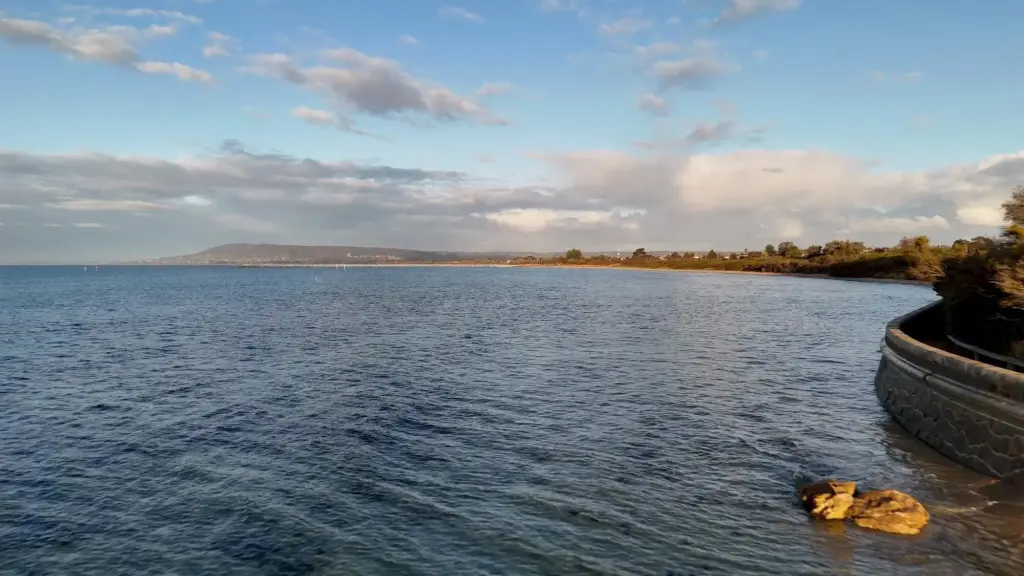
Glide across Coniston on the elegant Steam Yacht Gondola or a sturdy launch, then step into the world that shaped John Ruskin’s ideas and the valley’s slate-grey romance. From Brantwood terraces to woodland paths, every footstep blends culture, shoreline calm, and options for playful diversions.

Steam Yacht Gondola to Brantwood

Alight at Brantwood to wander Ruskin’s gardens, sketch the lake with borrowed pencils, and read captions that turn stones and light into conversation. A gentle climb through larch leads to views that mirror Gondola’s wake, while tearooms offer warmth if showers chase across the water.

Eastern Shore Woods and Tarn Hows Connection

Trace the quieter eastern shore, listening to oystercatchers and the low thrum of boats beyond reedbeds, before angling toward Tarn Hows for a figure-eight loop. Waymarked sections make navigation friendly, and picnic spots appear just when energy dips, especially for small legs with big spirits.

Seasons, Weather, and Waterwise Safety
Reading Skies, Waves, and Forecasts

Use reputable forecasts, then look up and listen: cloud streets, catspaws on water, and echoes off fells reveal more than icons. Ask crew for local knowledge, agree stop points, and tune choices to comfort levels, keeping shelters, layers, and return options comfortably within reach.

Winter Light, Short Hours, and Alternative Returns

In winter, the last sailing might depart before your feet expect it. Shorten loops, choose shoreline paths with frequent piers, and carry headlamps even at noon. Buses and taxis knit lakes together; write the numbers down, because signal shadows lurk in glorious, echoing valleys.

Wind, Cool Decks, and Motion Comfort

Even gentle waves can chill toes and tempers. Wear windproof layers, secure hats, and store cameras safely before spray kisses lenses. Those prone to queasiness might ride midship, stare at the horizon, breathe steadily, and step down calm, ready to enjoy shoreline trails without wobble.

Gear That Works on Boats and Fell Paths

Pack light but wise, favoring quick-drying layers, grippy soles, and pockets that close firmly before boarding. A small dry bag swallows maps and gloves, while a compact first-aid kit, whistle, and foil blanket stay unnoticed until suddenly helpful. Thoughtful choices keep delight high and faff low.

Footwear, Layers, and Packable Warmth

Choose supportive boots or sticky trail shoes that still behave politely on wet decks. Carry a breathable waterproof and a lightweight insulated layer, plus gloves and a buff. Everything should squash into a daypack without drama, leaving space for chocolate, curiosity, and shared binocular views.

Dry Bags, Maps, and Splash Protection

Slip phone, map, and midlayer into a roll-top dry bag, then tether it inside your pack so nothing skitters during landings. Paper maps love map-cases, while cameras appreciate soft cloths for spray. Your future self will thank this small, repeatable ritual every single time.

Snacks, Refills, and Leave No Trace Habits

Stash generous snacks and a refillable bottle, topping up at cafes that welcome muddy boots. Pack a small bag for litter, tread gently near nesting birds, and keep voices low in bluebell woods. Light footprints help ferries and paths share beauty for generations yet to come.

Stories, Community, and Low-Impact Adventures

Lakes and fells hold layered memories, from poets and painters to boat crews who greet dawn with coil and cleat. Walk kindly, learn a few local names, and trade tips on decks, building a culture that values conversation, conservation, and the quiet courage of turning back.